Why Anchors Danforth Are a Popular Choice for Modern Boaters
Choosing the right anchor is one of the most important decisions for any boat owner. A dependable anchor keeps your vessel secure while fishing, relaxing, swimming, or spending the night on the water. Among the many anchor designs available today, Anchors Danforth remain one of the most trusted options thanks to their lightweight construction, excellent holding power, and easy handling.
Whether you're new to boating or have years of experience, understanding the benefits of Danforth anchors can help you make a smarter choice for your next adventure.
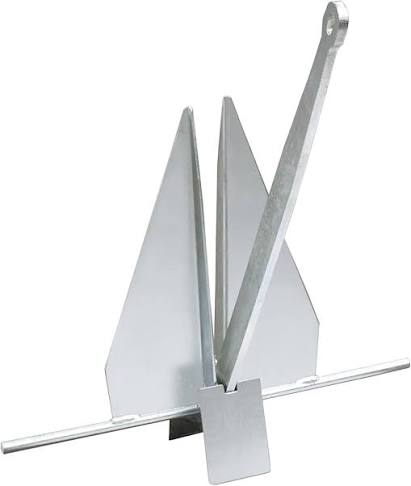
A Danforth anchor, also known as a fluke anchor, features two large pivoting flukes attached to a long shank. This design allows the flukes to dig deeply into the seabed when pressure is applied, creating impressive holding power while keeping the anchor relatively lightweight. It is especially effective in sand and mud, making it one of the most widely used anchor styles for recreational boats.
Its flat design also makes it easy to store, which is another reason many boat owners prefer this style.
Key Benefits of Danforth Anchors
There are several reasons why Anchors Danforth continue to be a favorite among boaters worldwide.
Excellent Holding Power
One of the biggest advantages is the anchor's impressive holding strength compared to its weight. Once properly set, the flukes bury themselves into the bottom, helping the boat remain stable even when conditions become less predictable.
Lightweight Design
Unlike some heavier anchor types, Danforth anchors are easier to lift, carry, and deploy. This makes them ideal for small and medium-sized boats where storage space and handling are important considerations.
Easy Storage
Because the anchor folds into a relatively flat shape, it fits neatly into most anchor lockers without taking up unnecessary space.
Best Bottom Conditions
Danforth anchors perform best on soft seabeds where the flukes can penetrate easily.
They are particularly suitable for:
- Sandy bottoms
- Muddy seabeds
- Fine gravel
However, they may not perform as well on rocky bottoms, thick weeds, or coral, where the flukes can struggle to dig in effectively.
Choosing the Right Anchor Size
The correct anchor size depends on several factors, including:
- Boat length
- Total boat weight
- Wind conditions
- Water currents
- Typical anchoring locations
Using an anchor that matches your vessel's specifications provides better security and improves overall anchoring performance.
Tips for Proper Anchoring
Even the highest-quality anchor works best when used correctly. A few simple habits can make a significant difference.
- Lower the anchor slowly instead of throwing it overboard.
- Allow enough anchor line to create the proper scope.
- Reverse gently to help the flukes dig into the seabed.
- Confirm the anchor is holding before leaving your position.
- Regularly inspect the anchor, chain, and rope for wear.
These practices increase safety while helping your equipment last longer.
Caring for Your Anchor
After each boating trip, rinse your anchor with fresh water to remove salt, sand, and debris. Inspect the flukes, shank, and connecting hardware for signs of corrosion or damage. Proper maintenance ensures reliable performance and extends the life of your anchoring equipment.
Storing the anchor in a dry place when not in use also helps preserve its condition over time.
Final Thoughts
For boat owners looking for a lightweight, reliable, and easy-to-use anchoring solution, Anchors Danforth are an excellent choice. Their strong holding power in sandy and muddy conditions, compact storage design, and dependable performance have made them a trusted option for generations of recreational boaters.
By selecting the correct size, following proper anchoring techniques, and maintaining your equipment regularly, you can enjoy greater safety and confidence every time you head out on the water.