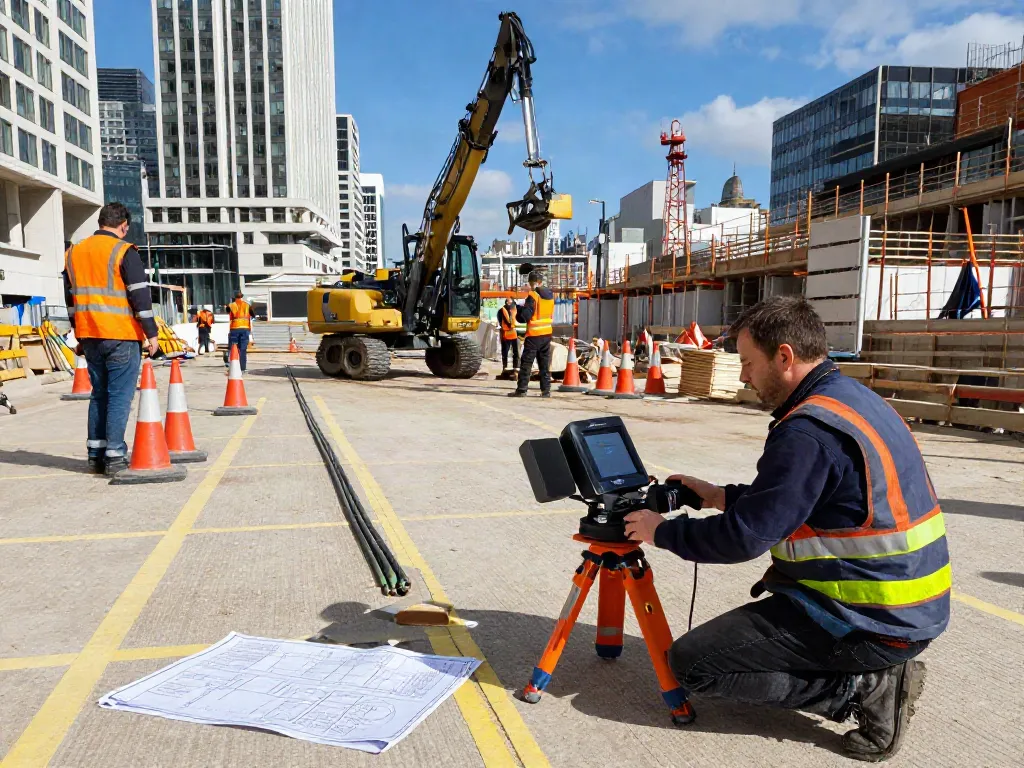
Understanding Utility Surveys: What You Need to Know
Utility surveys play a crucial role in modern urban planning and construction projects. They provide essential information about the location and condition of underground utilities, helping to prevent accidents and costly delays. In London, a bustling metropolis with an intricate network of utilities, understanding utility surveys is paramount for anyone involved in construction or infrastructure development. When exploring options, Utility Survey London offers comprehensive insights that can streamline your projects and enhance safety.
What is a Utility Survey?
A utility survey is a detailed examination of underground utilities such as gas, electricity, water, telecommunications, and sewage systems. Typically employing techniques like Ground Penetrating Radar (GPR) and electromagnetic induction, utility surveys aim to map and locate these services accurately. This is especially important in a city like London, where numerous utilities coexist in a limited space, making it critical to know what lies beneath the surface before commencing any excavation or construction work.
Importance of Utility Surveys in London
The importance of utility surveys cannot be overstated in London. The city's vast network of buried utilities necessitates precise mapping to avoid dangerous accidents during construction. Identifying the location of utilities helps contractors and builders to adhere to safety regulations and protect workers. Additionally, utility surveys facilitate compliance with legal and regulatory frameworks, preventing costly penalties arising from damage to underground services.
Key Technologies Used in Utility Surveys
Today, utility surveying employs various advanced technologies to enhance accuracy and efficiency. Key technologies include:
- Ground Penetrating Radar (GPR): A non-invasive method that uses radar pulses to image the subsurface, providing detailed information on the location of utilities.
- Electromagnetic Induction: This technique detects conductive materials such as metallic pipes and cables by measuring the electromagnetic field they generate.
- Acoustic Methods: Used primarily for water and sewage pipes, acoustic methods detect sound waves to locate and assess the condition of underground utilities.
Benefits of Utility Survey London for Construction Projects
Implementing utility surveys brings substantial benefits to construction projects throughout London, ensuring safer and more efficient workflows.
Enhanced Safety Measures on Construction Sites
One of the primary benefits of utility surveys is enhanced safety. By accurately identifying the locations of underground utilities, utility surveys significantly reduce the risk of accidental strikes during excavation. This preventative measure not only safeguards workers but also mitigates the risk of service interruptions for the public, which can lead to costly repercussions.
Cost-Effective Solutions for Utility Detection
Utility surveys can save money in the long run by preventing damage to existing infrastructure. The costs associated with repairing damaged utilities can be substantial, not to mention the project delays that often accompany such incidents. By investing in thorough utility surveys, companies can avoid these expenses, thereby making their operations more cost-effective.
Improved Project Planning and Execution
With accurate data from utility surveys, project managers can plan with greater confidence. Understanding the location and type of utilities allows for more precise scheduling and resource allocation. This improved planning leads to smoother project execution, as potential issues are identified and addressed before they escalate.
Challenges in Conducting Utility Surveys
While utility surveys offer many advantages, they also present several challenges that surveyors must navigate to ensure successful outcomes.
Common Obstacles Surveyors Face
Surveyors commonly encounter several obstacles, including limited accessibility to surveying sites, adverse weather conditions, and the complexity of existing utility networks. Each of these factors can hinder survey accuracy and the overall timeline of the project.
Regulatory Compliance Issues in London
In London, regulatory compliance is a significant challenge for utility surveys. Surveyors must be well-versed in local laws and guidelines, ensuring all work adheres to the required standards. Non-compliance can result in legal repercussions and delays, making it crucial for surveyors to stay updated on current regulations.
Understanding Subsurface Complexity
The complexity of London's subsurface environment poses another challenge. With layers of history beneath the streets, including old pipes, relics, and natural obstacles, surveyors must be adept at interpreting survey data accurately to avoid misrepresentation of what lies below.
Best Practices for Implementing Utility Surveys
To maximize the benefits of utility surveys, organisations need to adopt best practices during the planning and execution phases.
Choosing the Right Surveying Method
Selecting the appropriate surveying method is crucial. Each technique has its strengths and weaknesses, depending on the specific context and requirements of the project. For instance, GPR is excellent for identifying pipe sizes and depths but may be less effective in areas with dense soil. Surveyors should evaluate each project holistically to determine the most suitable approach.
Integrating Surveys into Project Workflows
Utility surveys should be seamlessly integrated into broader project workflows. This integration ensures that all stakeholders are aware of utility locations and can make informed decisions throughout the project lifecycle. Regular updates and communication between the surveying team and project managers can facilitate smooth adjustments as required.
Collaboration between Stakeholders
Effective collaboration among stakeholders is essential for successful utility surveying. This involves communication between utility companies, contractors, and local authorities to ensure that everyone is working towards the same goals. By fostering cooperation, teams can collectively address challenges and expedite project timelines.
The Future of Utility Surveying in London
As technology continues to evolve, so does the field of utility surveying. The future promises exciting developments that will reshape how surveys are conducted and implemented.
Emerging Technologies Shaping the Industry
Advancements in technology, such as artificial intelligence (AI) and machine learning, are expected to enhance data analysis capabilities in utility surveys. These innovations can lead to more accurate predictions regarding subsurface conditions and enable better decision-making for construction projects.
Predicted Trends for 2026 and Beyond
By 2026, a significant trend will likely be the increased adoption of digital twin technology in utility surveying. This approach will permit real-time visualization of underground utilities, facilitating easier updates and maintenance tracking, and creating a more integrated approach to urban planning.
Environmental Considerations in Utility Survey London
Environmental sustainability will become even more critical in utility surveying. Future surveys are expected to incorporate eco-friendly practices, such as reducing carbon footprints during survey operations and promoting the use of renewable materials for utility installations.
How much does a utility survey typically cost in London?
The cost of a utility survey in London can vary significantly based on the project's size and complexity. On average, clients can expect to pay anywhere from £1,000 to £5,000. Factors influencing these costs include the type of technology used, the extent of the area being surveyed, and the specific requirements of the project.
What are the most reliable utility survey companies in London?
Several reputable companies provide utility survey services in London, renowned for their expertise and customer feedback. Firms such as Geoanalysis, Omega Geo, and Scope Surveys have built strong reputations in the industry by consistently delivering high-quality results tailored to client needs.
How long does a typical utility survey take?
The duration of a utility survey can also vary, depending on the project's scope. Small-scale surveys might take a few days, while more extensive investigations could require several weeks. Planning ahead and ensuring proper resource allocation can help streamline the process.
What technologies are most effective for utility surveying?
Ground Penetrating Radar (GPR) and electromagnetic induction remain the most effective technologies for utility surveying. Their ability to deliver accurate depth and location information allows contractors to plan their projects effectively while reducing the risk of encountering underground utilities.
Why are utility surveys critical for urban planning?
Utility surveys are vital for urban planning as they provide comprehensive insights into the existing infrastructure, enabling city planners to make informed decisions about future developments. By understanding the layout of underground utilities, planners can design sustainable and efficient urban environments that meet the needs of residents and businesses alike.